
Espionage Scare at OpenAI After Employee Caught Planting Bug in Executive Suite
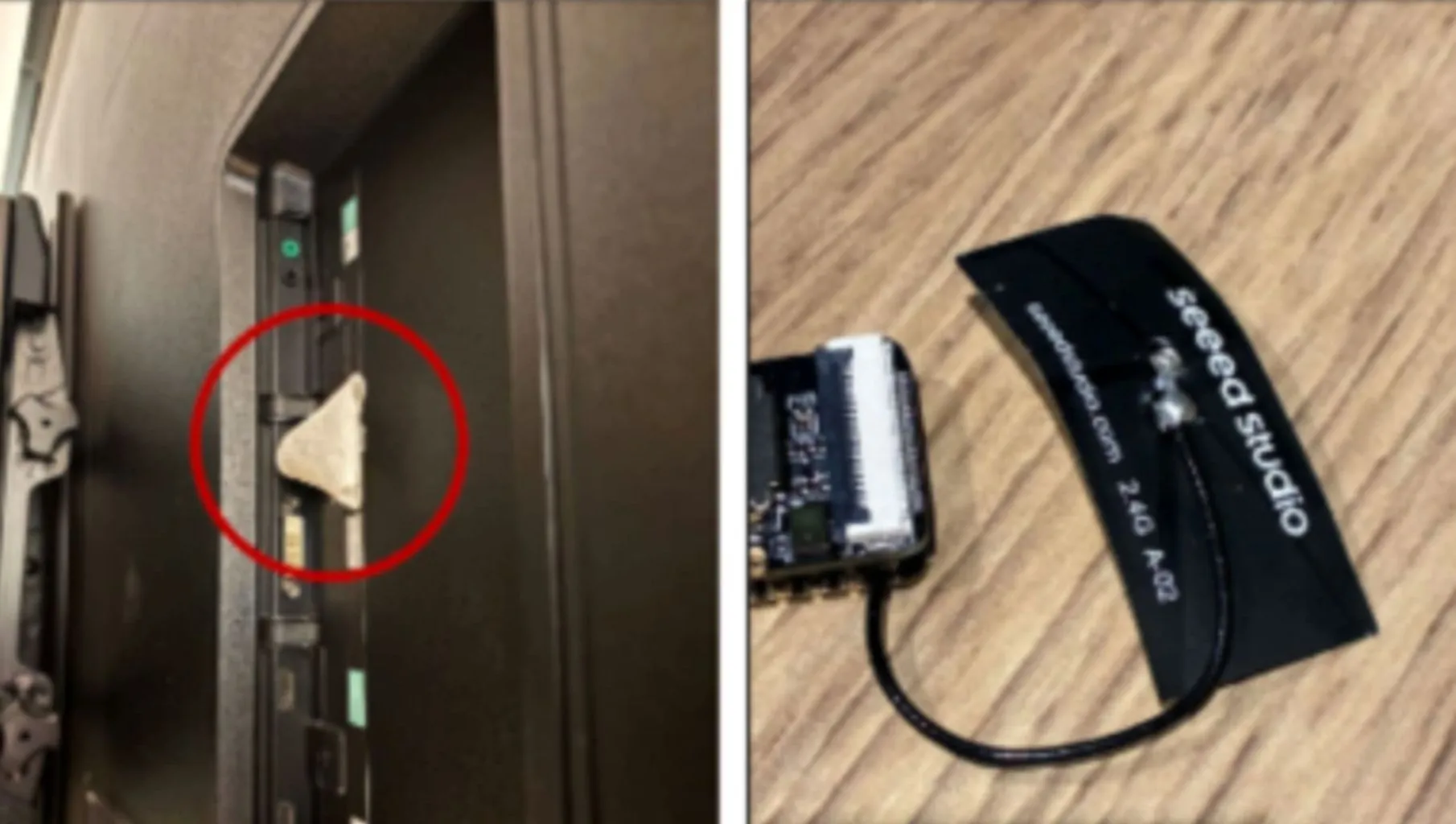
Federal authorities have arrested a Saudi national following the discovery of a sophisticated surveillance device hidden within an executive conference room at OpenAI. Abdulrahman Alfozan, 35, was taken into custody on October 9 after investigators linked him to a covert recording tool designed to intercept high level discussions regarding the company’s pursuit of super intelligence technology. According to the Department of Justice, the device was cleverly disguised inside toilet paper and utilized encryption to protect the captured audio.
The investigation revealed that Alfozan had entered the restricted conference room on several occasions leading up to the discovery, despite having no authorization to be there. Evidence gathered by the FBI included security footage and a bag recovered from the building containing Alfozan’s personal identification alongside a second recording device identical to the one planted in the office. Prosecutors further allege that Alfozan used a chatbot account tied to his spouse to research how to build, install, and remotely access such devices while avoiding detection.
OpenAI has moved quickly to distance itself from the incident, confirming that Alfozan was terminated immediately upon his arrest. In a public statement, the company attempted to reassure users and stakeholders that there is currently no evidence suggesting that model weights, source code, or private customer data were compromised during the breach. They emphasized that safeguarding their intellectual property remains a priority of national importance given the competitive landscape of artificial intelligence development.
This security lapse arrives at a particularly volatile moment for OpenAI as it grapples with mounting pressure over its internal safety culture. The firm recently faced backlash after firing three safety researchers who claimed they were being silenced for raising alarms about corporate transparency. As industry giants continue to race toward increasingly powerful autonomous systems, this latest episode highlights the growing vulnerability of AI labs to both external espionage and internal instability.
Related Stories

Treasury Slaps Bank of America With Massive Penalty Over Security Lapses
Bank of America is facing a staggering 1.2 billion dollar fine after the U.S. Treasury Department…

Tech Shifts and Strategic Cuts Propel UnitedHealth Past Profit Goals
UnitedHealth Group has signaled a strong finish to the year, reporting third-quarter earnings that comfortably beat…