
Tech Shifts and Strategic Cuts Propel UnitedHealth Past Profit Goals
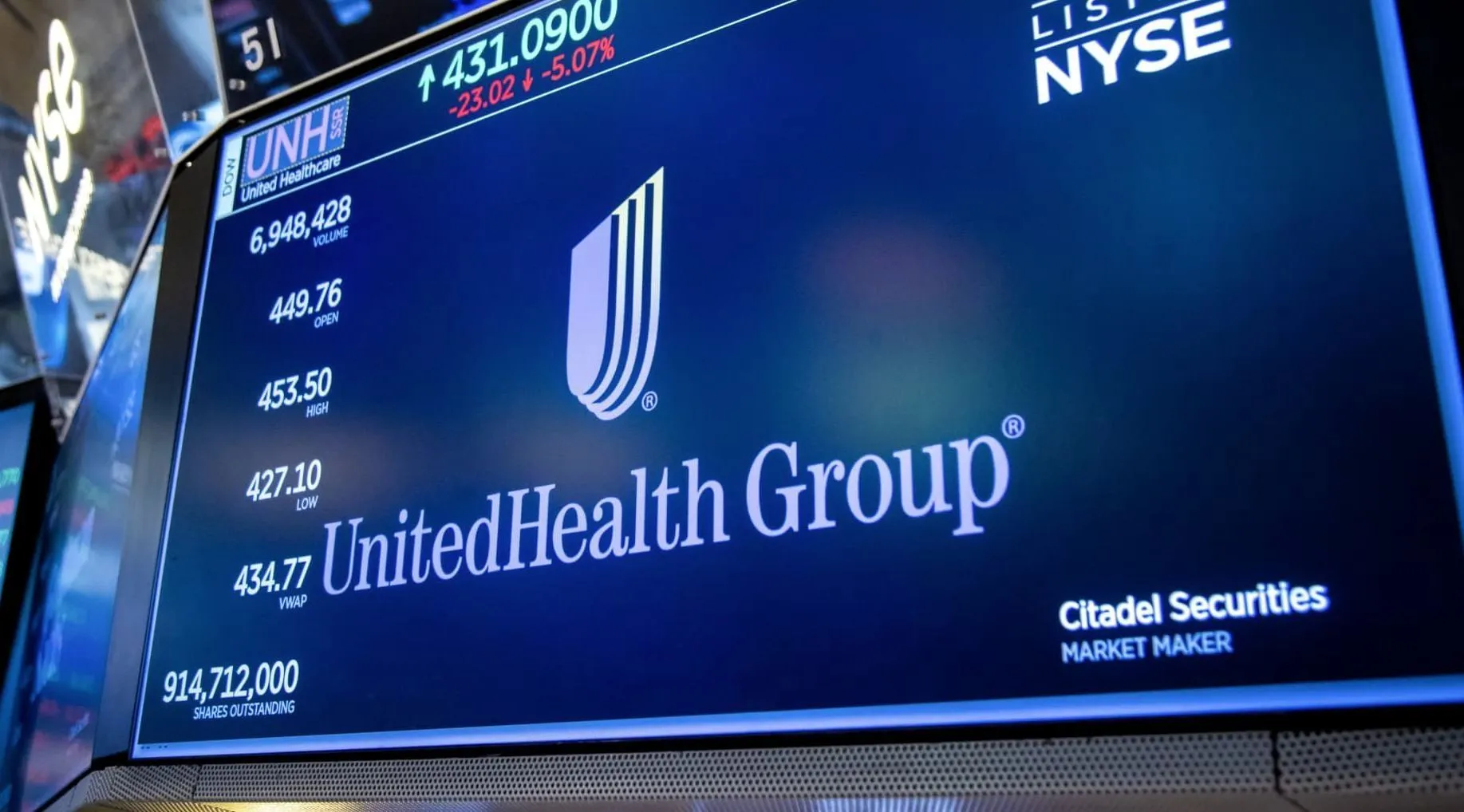
UnitedHealth Group has signaled a strong finish to the year, reporting third-quarter earnings that comfortably beat Wall Street expectations and prompting the insurance giant to raise its full-year profit forecast. The company now anticipates adjusted earnings of at least 20.50 dollars per share for fiscal 2026, moving up from its previous guidance. This optimistic shift comes after three straight quarters of growth, reflecting a calculated effort to stabilize margins by shedding unprofitable contracts and trimming memberships where necessary.
Despite the financial victory, leadership remains cautious about the broader landscape of medical spending. Chief Financial Officer Wayne DeVeydt noted that overall medical costs remain elevated compared to historical averages, citing pressures from expensive specialty drugs for cancer and rare diseases. He specifically pointed to the fallout from the No Surprises Act, noting that the dispute resolution process between providers and insurers is adding roughly one percentage point to total medical costs, a burden that often trickles down to consumers via higher premiums.
To counter these headwinds, UnitedHealth is leaning heavily into value-based care and artificial intelligence. By tying physician payment to patient outcomes rather than the sheer volume of services provided, the company reports a significant shift in how care is delivered; acute hospital admissions dropped 15 percent year over year as more patients moved toward lower-cost home health settings. Simultaneously, the firm is deploying AI ambient listening tools to cut down on paperwork for doctors and expanding digital self-scheduling for patients.
Investors responded positively to these strategic pivots and the impressive quarterly numbers, sending shares up about 3 percent in premarket trading. With revenue hitting nearly 113 billion dollars and a medical cost ratio that performed better than analysts predicted, UnitedHealth appears to be successfully navigating a volatile healthcare market by prioritizing efficiency over raw scale. Company executives expect these technological integrations and preventative care models to create a compounding positive effect well into 2027.
Related Stories

The Great Paradox of Powering a Continent
As energy ministers and industry titans gather in Cape Town for African Energy Week, the conversation…

Tech Fever and Debt Mountains Push Sovereign Markets Toward Breaking Point
The International Monetary Fund has issued a stark warning that government bond markets are becoming dangerously…