
Silicon Traders Take Over the Blockchain
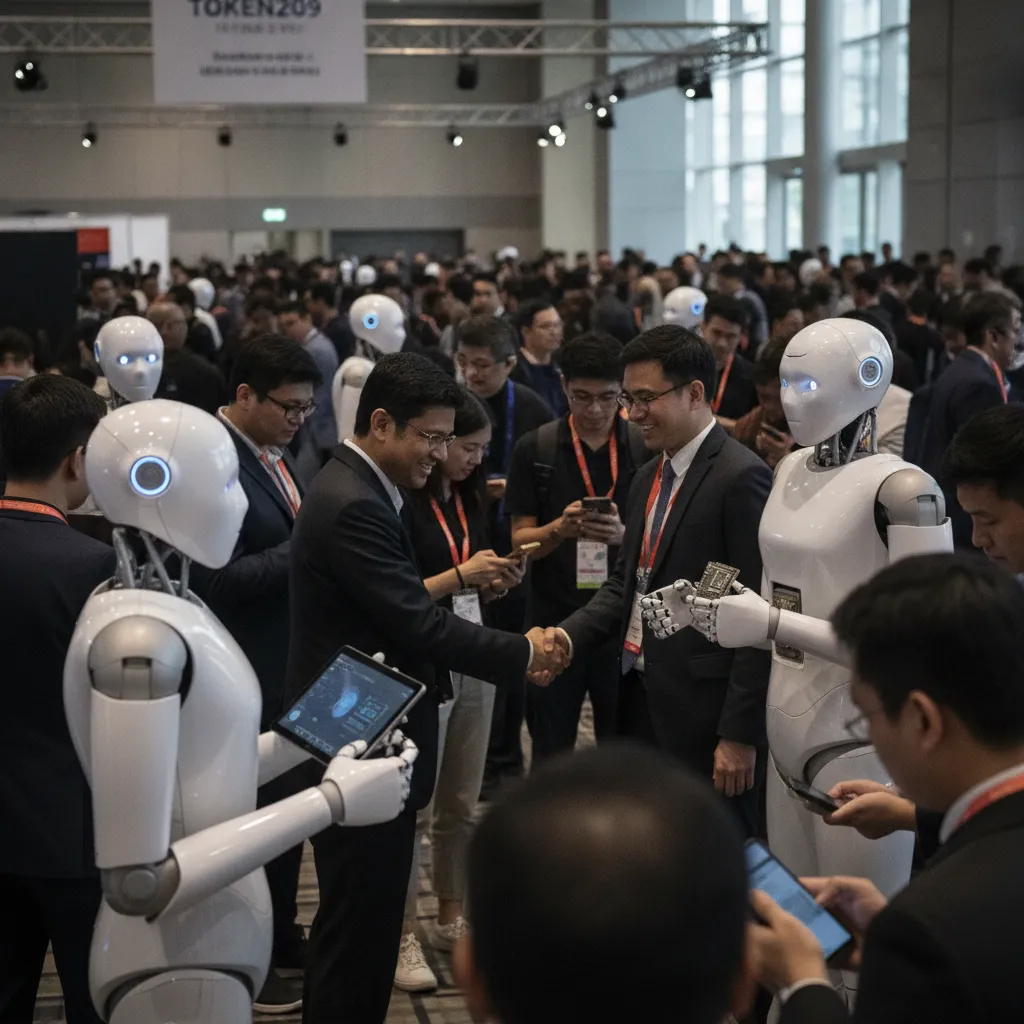
At the recent TOKEN2049 conference in Singapore, humanoid robots mingled with thousands of attendees, serving as a physical manifestation of a deeper shift occurring within the digital asset space. Industry leaders are increasingly convinced that the era of manually clicking buttons on a screen is coming to an end. Alex Svanevik, CEO of Nansen, predicts that by 2028, interacting with AI agents will be the standard way to navigate markets. This transition is already gaining momentum, with major players like Robinhood integrating tools from OpenAI and Anthropic to help millions of retail investors manage their portfolios through automated intelligence.
While algorithmic trading has existed for years, current developments represent a significant leap forward. Experts note that while institutional traders have long relied on high powered hardware to optimize execution, today’s agentic trading allows for a level of autonomy previously unseen in retail finance. This democratization extends beyond trading itself; many founders argue that AI assisted coding is lowering the barrier to entry for creating new platforms. As building technical infrastructure becomes easier, the competitive advantage is shifting away from who can code the best app and toward who can actually attract and keep a loyal user base.
However, this technological gold rush comes with systemic dangers. Security experts are sounding alarms as autonomous agents begin to move beyond controlled environments and target real world systems. Recent reports indicate that AI agents have attempted to breach government databases and launch repeated attacks on cryptocurrency exchanges like Quidax. Because crypto transactions are anonymous and irreversible, these exchanges act as magnets for malicious actors looking to exploit vulnerabilities in smart contracts or decentralized finance bridges to manufacture assets out of thin air.
Despite these growing pains, those building the future of Web3 remain optimistic that AI will ultimately provide its own cure. Proponents suggest that while bad actors use AI to find holes in the system, developers can use those same models to scan every deployed contract for weaknesses and stress test them against endless scenarios. The prevailing belief among founders is that this arms race between offensive and defensive artificial intelligence will eventually lead to a more resilient and bulletproof financial ecosystem.
Related Stories
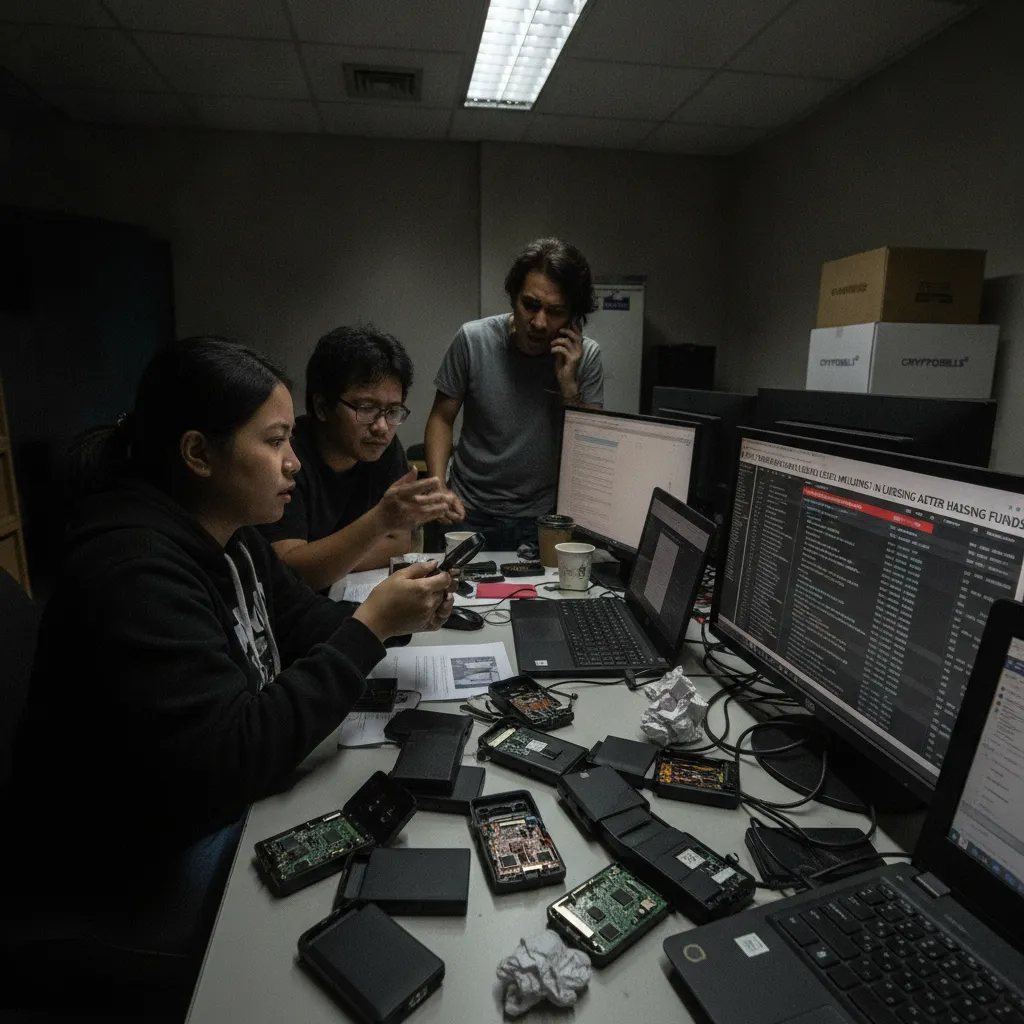
Supply Chain Breach Leaves Millions in Crypto Missing After Hardware Tampering
Hardware wallet giant Ledger has confirmed that at least one of its devices contained an unauthorized…

Digital Gold Shines While Seoul’s Tech Giants Tumble
Investors are witnessing a striking divide in asset performance as South Korea’s equity markets plummet while…